Visibility, clarity, and credibility are crucial for impact today – in meetings, pitches, interviews, on TV, podcasts, on LinkedIn, and in every video conference. This is precisely where mbw's open training courses come in.
These media training courses in Munich are designed for individuals who want to further develop their communication and media skills – regardless of whether they work for a company or organization, or are self-employed.
The open training courses are structured so that each participant is met at their individual level. Small groups, real-world practice, a genuine studio setting, and immediate feedback create a learning environment that generates immediate and tangible results.
Why is training worthwhile right now?
Communication has accelerated dramatically. There's less time, more channels, more public exposure, and simultaneously, a greater risk of misunderstandings or misperceptions. Many voices, many messages – and all visible at once.
To be understood, you not only need to be good at the content – but also at the impact. And: Media impact can be learned. That's precisely what the open training sessions are for.
The Open Formats
1) Camera and Media Training
This training with Dr. Judith Brenneis focuses on professional appearances in front of the camera and microphone. Participants practice interviews and statements on camera. The training covers body language, speech, eye contact, facial expressions, and maintaining composure under pressure. Dr. Brenneis also offers practical tips for managing stage fright. This training is perfect for anyone who wants to feel more confident in media settings.
2) Communication and Rhetoric Training
This training focuses on effective communication – whether in meetings, difficult conversations, negotiations, or when delivering internal and external messages. The goal is confident, clear, and engaging communication. Eggolf von Lerchenfeld knows how to interpret microexpressions and positively influence instinctive human behavior. This training is ideal for people who need to speak frequently and react quickly in their daily lives and want to make a lasting impression.
3) Crisis Communication
When situations become critical, the public reacts critically, or something goes wrong internally, clarity, composure, and a strategic approach are essential. Markus Sturm's crisis training teaches the mechanics of critical communication situations and trains participants to act confidently under pressure. This training also includes exercises in various interview formats, such as live broadcasts. Participants also address their own content on social media channels.
So that you are prepared before something happens.
Special Features of Open Training Sessions
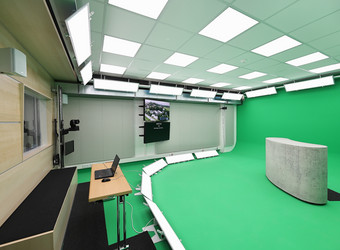
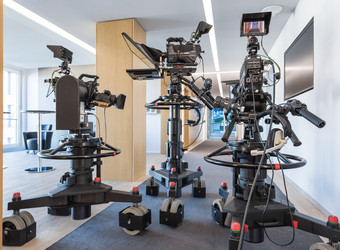
The effectiveness comes from practice and experimentation. Through real-world simulation and professional analysis. All training sessions take place in a professional studio and media environment – with cameras, lighting, microphones, coaching feedback, and debriefing. This makes learning not abstract, but directly experiential.
The trainers come from real-world media experience. This ensures that training methodology is grounded in practical experience. Furthermore, the open format allows for learning in diverse groups. This is invaluable – because you benefit enormously from the perspectives of other fields.
Who are the open training courses suitable for?
- Executives
- Press officers / Communications and PR staff
- Founders / Freelancers
- Public figures
- Experts who want to increase their visibility
- People who appear professionally on camera or microphone
- People who want to improve their impact
No matter your starting level: You will improve.
Conclusion
The open communication training courses in Munich are a highly effective way to actively develop media literacy and communication skills. They are for anyone who wants to present themselves professionally and authentically – live, in a hybrid format, or online. The courses are practical, highly individualized, and directly applicable to everyday work.